
The Psychology Behind Slot Machines
The allure of slot machines can be attributed to a complex interplay of psychological triggers that captivate players’ attention. The anticipation generated by spinning reels and the potential for winning substantial prizes effectively engages the brain’s reward system. This sense of reward is intricately linked to the release of dopamine, a neurotransmitter that plays a pivotal role in pleasure and reinforcement. Players often enjoy the excitement of these games, and many seek platforms like 1win to experience high-quality gaming options that enhance their chances of winning. When players succeed in hitting a winning combination, even if the payout is modest, the dopamine rush can encourage them to keep playing, fostering a cycle that can lead to addiction.
Additionally, the design of slot machines optimizes player engagement. Bright, colorful lights, enticing sound effects, and immersive themes create an environment that is both entertaining and stimulating. Each spin presents a possibility of winning, which can ensnare players in an ongoing cycle of hope and excitement. This unpredictability in outcomes reinforces engagement, as players may convince themselves that the next spin could yield a life-changing jackpot, making it increasingly difficult to walk away from the machine.
The psychological concept of “near misses” plays a crucial role in the addictive nature of slot machines. Players often find themselves in situations where they come tantalizingly close to winning, such as landing two out of three symbols. These near misses can be just as stimulating as actual wins, leading players to feel a sense of encouragement to try again. Essentially, the almost-win fosters a cognitive bias where players perceive a higher chance of success, prompting them to continue playing in hopes of finally achieving that elusive jackpot.
The Role of Design and Mechanics
Slot machines are carefully crafted to enhance player engagement through both design and mechanics. The visual aesthetic of these machines typically features bright colors, captivating animations, and thematic elements that grab attention and create a vibrant atmosphere. The sounds associated with winnings, such as bells ringing and celebratory music playing, are specifically engineered to amplify the thrill of victory, reinforcing positive experiences and inviting players to keep spinning the reels. This attention to sensory details creates an immersive experience that can be hard to resist.
The mechanics behind modern slot machines have evolved significantly with advancements in technology. Many machines utilize random number generators (RNGs) that ensure a fair yet unpredictable gaming experience. This unpredictability is essential, as it keeps players guessing and engaged. Furthermore, the introduction of enticing bonus rounds, free spins, and progressive jackpots adds layers of excitement and potential winnings, encouraging players to continue engaging with the machine for extended periods. These features appeal to the gamblers’ innate desire for more, making it easy to lose track of time.
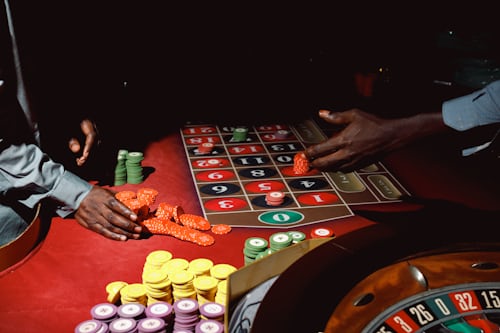
User experience is further enhanced by features like touchscreen interfaces and complex gameplay mechanics that allow for greater interaction. Players can customize their bets and select various options, which increases their sense of control and personal investment in the game. This interactive nature of modern slot machines effectively draws players in, making it challenging for them to leave once they start playing, thereby reinforcing the machines’ addictive qualities. The combination of design, sound, and interactive elements creates a compelling environment that keeps players returning for more.
The Impact of Reward Systems
The reward systems employed by slot machines are fundamental to their addictive nature. These systems are often designed to produce a mix of small wins and larger payouts, creating a reinforcement schedule that keeps players engaged. Players experience frequent, albeit often modest, wins that provide a steady stream of satisfaction. In contrast, the occasional larger jackpot serves as a tantalizing reward, motivating them to continue playing with hopes of hitting it big. This dynamic fosters an environment where players feel compelled to keep playing.
The variability of payouts is a crucial element that aligns with the psychology of gambling. Players can experience what is known as a “variable ratio reinforcement schedule,” where rewards are dispensed at inconsistent intervals. This unpredictability can create excitement and anticipation, causing players to continue trying for that next big win. Unlike other activities with predictable outcomes, this variability adds to the thrill, keeping players engaged for longer periods and making it difficult to step away, even when they know they should.
Moreover, the introduction of bonus features and loyalty programs further enhances the appeal of slot machines. Many casinos implement rewards programs that offer points or complimentary items based on gameplay, creating additional incentives to play. Players may find themselves returning not just for the gameplay but to seek out rewards or exclusive promotions, further entrenching their habits. The cumulative effect of these reward systems can lead to increased time and money spent, solidifying the addictive nature of slot machines in players’ lives.
The Social Aspect of Playing Slot Machines
The social environment surrounding slot machines significantly contributes to their addictive nature. Many players enjoy the shared experience of being in a bustling casino, interacting with fellow gamers, and participating in a vibrant atmosphere. This social aspect can transform the solitary act of playing into a communal event, where players celebrate victories together and share tips, further enhancing the enjoyment and engagement associated with slot machines. The shared experience can create a sense of belonging, making players more likely to return.
Furthermore, many casinos have adopted strategies to create social gaming environments by introducing multiplayer slot machines and themed events. This fosters a sense of community among players, encouraging them to spend more time in the vicinity of the machines. The camaraderie that develops can make the experience more enjoyable, prompting players to return frequently, thereby reinforcing addictive behavior. The collective energy in these spaces can amplify the excitement of playing, making it easier for individuals to lose track of time.
Social media also plays a significant role in this dynamic, as players often share their gaming experiences online, showcasing wins and discussing strategies. This creates a cycle where players feel connected to a broader community, which can reinforce their desire to engage with slot machines. The combination of personal enjoyment, social interaction, and the ongoing pursuit of wins merges to create a powerful addiction for many players. The social reinforcement can lead to a deeper emotional investment in the gaming experience.
Maintaining a Responsible Gambling Attitude
While understanding the addictive nature of slot machines can help in recognizing potential pitfalls, it is crucial for players to maintain a responsible gambling attitude. Awareness of the psychological triggers and design elements that enhance engagement can empower players to make more informed decisions about their gaming habits. Setting limits on both time and money spent on slot machines can foster a healthier relationship with gambling and minimize the risks associated with addiction. Being mindful of how often and how much one plays can create boundaries that are essential for responsible gaming.
Engaging with slot machines should be viewed as entertainment rather than a means to achieve financial gain. Recognizing this distinction can empower players to enjoy the thrill of the game without succumbing to the compulsion to chase losses or overspend. Many players benefit from establishing a budget before playing, which serves as a practical boundary that helps mitigate the risks of excessive gambling. Knowing when to stop and being able to walk away are critical components of a responsible approach.
For those who find it challenging to maintain a balanced approach, support and resources are readily available. Numerous organizations offer assistance for individuals struggling with gambling addiction, providing educational tools and counseling services. By staying informed and proactive about responsible gambling practices, players can continue to enjoy slot machines while safeguarding their overall well-being. Ultimately, fostering a healthy relationship with gambling will enhance the enjoyment of the gaming experience without the associated risks of addiction.


