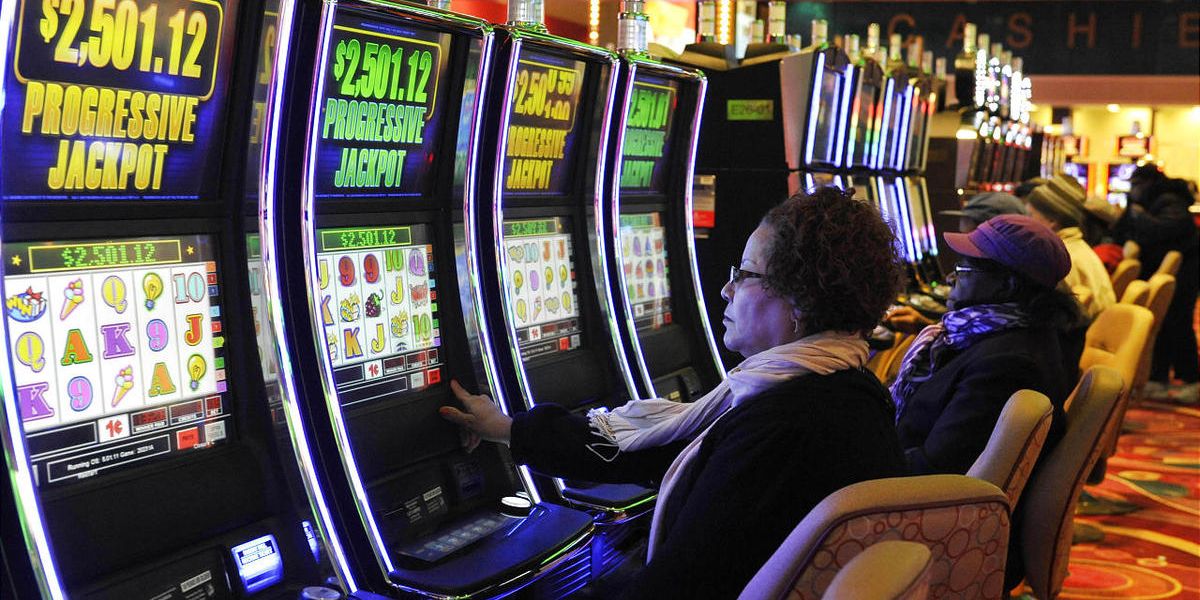
I have spent hundreds of hours chasing progressive jackpot slots, and these games are completely unlike standard fixed jackpots https://ringospincasino-ch.ch/fr-ch/slots/. A fixed jackpot offers a set amount, but a progressive prize constantly rises with every spin across a network of players. That generates a totally distinct rhythm, risk profile, and reward potential. The stakes feel higher, pay tables operate harder, and every small decision matters more. At Ringospin Casino, I treat progressive slots as a separate category with their own rules, not casual spins. You should too.
My Strategy for Progressive Jackpot Sessions
My strategy to progressive jackpots is built on bankroll division and rigorous trigger management. I divide my playing budget into two distinct pools: a regular spins fund and a jackpot chase fund. The base game fund covers normal spins where I aim to obtain value from regular payouts and bonus rounds. The progressive prize fund is reserved for games where the jackpot has surpassed a level that makes the projected value attractive. I never combine these funds, and I never take from one to supplement the other. This split forces me evaluate carefully about every bet and prevents the mental mixing that leads to large stakes on a lucky run.
Time management also has a significant role in my strategy. I record prime times for networked jackpot games because greater player engagement boosts jackpot growth. A wide-area progressive might climb $50,000 during a packed Saturday night but only climb gradually $10,000 during a quiet Tuesday morning. I tend to gamble during high-traffic windows when the jackpot is rising fast, as this shortens the time gap between attractive value thresholds. I also define a strict stop-loss at a fifth of my playing funds for any progressive title, no matter how enticing the reward seems. Leaving with the bulk of my funds safe is always positive, even if the big prize remains unwon.
FAQ
Do I always need to bet the maximum to win a progressive jackpot?
Not necessarily, but you should verify the specific game rules before spinning. Many older progressive slots need a full stake to qualify for the top prize, and overlooking that means you could hit the winning combination and receive only a fixed payout. Modern games more often provide jackpot eligibility at any bet level, though the odds may scale with your wager size. I make it a habit to open the pay table and read the jackpot trigger conditions before my first spin. Presuming eligibility is the fastest route to a heartbreaking near-miss, and I grasped this fact the hard way more than once.
What defines a must-drop-by progressive jackpot function?
A must-drop-by progressive jackpot comes with a guaranteed payout deadline. The game provider sets a maximum threshold, and the jackpot has to be given before the prize reaches that value. This mechanic creates a transparent window where the expected value changes in the player’s favor as the jackpot nears the drop point. I deliberately look for must-drop-by titles because they erase the uncertainty of an infinite climb. The countdown adds strategic depth, and I time my sessions to coincide with the final stretch when the probability of a trigger is mathematically highest.
Do networked progressives harder to win than standalone ones?
Typical Errors I See Players Make
Over years observing others at the progressive machines, I cataloged a series of errors that drain bankrolls with unrelenting effectiveness. The biggest blunder is wagering under the maximum when the jackpot trigger needs a maximum wager. No pain is greater than hitting the winning combination only to realize the progressive jackpot is ineligible because of a smaller wager. I have seen players leave crushed, and I would never want to be in that situation. Another common error is pursuing a jackpot that has already climbed far beyond its typical payout point without changing bet sizing or session length to factor in the longer variance.
Players also underestimate the emotional cost of progressive sessions. The main game can appear harsh when a significant portion of each turn contributes to a prize you may never win. I see people tilt, raise their wager unreasonably, and blow through a weekly budget in an hour. The solution is straightforward but requires discipline. Here are the rules I follow every single session without fail:
- Establish a strict loss cap before opening the game and never adjust it in the middle, no matter how close the jackpot seems.
- Verify the max bet condition for jackpot access and never play under that threshold if the main prize is the objective.
- Record the present jackpot total against its past typical payout point and only wager when the prize is over that mark.
- Take a mandatory five-minute break after each 100 spins to clear your mind and reconsider the session’s trajectory.
- Never pursue losses by jumping to a higher-risk progressive after a losing streak on a milder title.
How Progressive Jackpots Actually Work

Every progressive jackpot is powered by a seed amount plus a contribution rate. The seed resets itself after a win. The contribution rate refers to the percentage of each wager that goes into the prize pool. When I spin, a fraction of my bet may fund the jackpot instead of regular returns, which is why prizes grow quickly. Network jackpots with thousands of players accumulate faster than local ones. The random number generator still decides every spin, but the trigger is usually a rare combination or a bonus https://paris-sportifs.lefigaro.fr/pronostics/jo-de-paris-2024-les-pronostics-du-28-07-2024/ game. I always check both before I play. Some games need a specific symbol lineup on a max bet line, while others initiate a separate bonus wheel where the jackpot is just one slice among many, and knowing that mechanic shapes how I size my bets.
What Makes Progressive Jackpot Slots Different
The core difference is clear: a small portion of every bet feeds the jackpot pool. On a fixed jackpot slot, the top prize stays the same. On a progressive slot, it rises in real time. That means you are not simply up against the machine; you are chasing a shared prize that can exceed six, seven, or even eight figures. That growth has a price, though. These games often adjust base payouts or hit frequency to support the jackpot contribution. Recognizing that trade-off is the key step to gambling smartly. I have seen games where the base game return falls by two or three percent simply to power a remarkable top prize, and that adjustment demands a completely different bankroll strategy.
Key Factors I Assess Prior to Playing
Before I open any progressive slot, I review a mental checklist that has saved my bankroll more times than I can count. These factors differentiate profitable sessions from frustrating ones, and ignoring even one of them is a mistake I refuse to repeat. Progressive slots require more scrutiny than standard games because the jackpot contribution shifts the math in ways that are not always obvious from the pay table alone. I treat every progressive session like an investment decision, not a casual spin, and that mindset shift has transformed my results over the long run.
Payback to Player and Contribution Rate
The published RTP on a progressive slot often appears competitive, but I go further to understand how much of that return is linked to the base game versus the jackpot contribution. A game advertising ninety-six percent RTP might only deliver eighty-eight percent in regular payouts, with the remaining eight percent moving into the jackpot pool. That means my bankroll drains faster between bonus triggers, and I have to size my bets accordingly. I always check the game rules or the provider’s published data to find the split. If the base game return drops below ninety percent, I either lower my bet size significantly or switch to a different title entirely.
Top Prize Activation Conditions
Every progressive slot has a specific trigger mechanism, and I never spin without understanding exactly what it is. Some games demand landing five wild symbols on a specific payline during a maximum bet spin. Others activate a random jackpot bonus game where a wheel spin or a picking round decides the prize tier. A few modern titles employ a must-drop-by mechanism where the jackpot is guaranteed to pay before it reaches a certain threshold. I favor must-drop-by progressives because the transparency gives me a mathematical edge in timing my sessions. Random triggers can be exciting, but they present zero strategic leverage, and I regard them as pure entertainment rather than calculated plays.
Seed Amount and Post-Win Level
The seed amount is the minimum value the jackpot resets to after a win, and I track this number obsessively. A high seed amount indicates the jackpot starts its climb from a generous baseline, which enhances the expected value of every spin during the early growth phase. Low seed amounts cause a longer grind before the prize becomes attractive. I use a simple spreadsheet tracking seed values and average hit sizes for my favorite progressive titles. Over time, patterns appear that help me recognize when a jackpot is undervalued or overvalued relative to its historical payout behavior. This data-driven approach is not glamorous, but it works.
Types of Progressive Jackpots
Single-Machine Progressives
A independent progressive is supplied solely by bets on that particular machine or game. The prize can still be substantial, but it increases steadily because there is only one source of contributions. Such jackpots usually to be smaller and occur more often than their connected cousins. I view them as a reliable warm-up choice when I seek the prize rush without the impossible odds. The starting amount is commonly modest, and the post-win amount after a win gives me a clear benchmark for assessing if the present prize is worth pursuing. Independent progressives are perfect for users who seek a real chance at a life-altering amount without having to compete against an entire continent of spinners.
Local Area Progressives
Venue-linked progressives tie together several machines within a single casino or a handful of locations. The prize pool increases more quickly than a standalone because multiple players fund in unison, but the link remains limited enough that probabilities stay relatively grounded. I consider these jackpots frequently fall in a sweet spot where the reward is considerable but the payout frequency does not appear unattainable. The contribution rate is typically greater than independent setups, and the starting amount resets to a more substantial minimum. When I explore a fresh casino venue, I always look for the local jackpot bank before anything else because the value appeal is usually more favorable than the enormous multi-venue networks.
Multi-Venue Network Progressives
Multi-venue network progressives are the monsters. These jackpots connect games spanning many casinos, occasionally across entire countries or continents. The reward can climb into vast sums because thousands of players fund the pot every minute. The trade-off is terrible odds. The contribution rate is steep, and the winning conditions are often locked behind maximum bet requirements or extremely rare bonus features. I treat these games with firm session boundaries and a solid knowledge that I am getting a lottery entry packaged in a slot format. The spectacle is unquestionable, and observing the meter increase in real-time is sheer excitement, but self-restraint is important in this case more than anywhere else.
How can I locate the RTP split separating base game and jackpot contribution?
Absolutely, networked progressives are significantly harder to win since the player pool is immensely larger. A wide area network spanning thousands of machines implies you are contending against an massive volume of spins, and the odds of landing the trigger combination on any single spin are correspondingly tiny. Standalone progressives offer better hit frequency but smaller prizes. I balance my play across both types depending on my goals. When I want a practical shot at a jackpot within a individual session, I stick to standalone or local area games. When I am ready to treat the session as pure enjoyment with a lottery-style upside, I step into the wide area networks.
How can I locate the RTP split among base game and jackpot contribution?
Locating the exact RTP split requires some digging, but the information is usually available. I start by checking the game’s help screen or pay table, where many providers now reveal the base game return and the jackpot contribution separately. If the in-game information is partial, I visit the slot developer’s official website or search for third-party auditing reports. Some jurisdictions mandate full RTP disclosure, and those reports often break down the allocation. I keep a running list of games with favorable base game returns because a higher regular payout rate keeps my bankroll healthier during the long stretches between jackpot triggers.
Ought I play progressive slots with a modest bankroll?
It is possible to play progressive slots with less capital, yet you must modify your expectations and bet sizing aggressively. I recommend choosing low-denomination progressives where the minimum bet is affordable and the jackpot trigger needs a max wager. Standalone progressives are typically more small-bankroll-friendly since the prize grows steadily and the hit frequency is more frequent. Avoid wide area network games if you have a small bankroll, because the extended dry spells between bonus features can wipe out a modest bankroll before the jackpot even comes into view. Preserving your session length is more important than going after a headline prize.
What is the best period to spin a progressive jackpot slot?
The best period to spin relies on the jackpot type and your strategic goal. For networked progressives, peak hours during which player activity is greatest speed up the prize growth, meaning that the jackpot reaches attractive value thresholds more quickly. Late hours and weekends usually see the most action. For must-drop-by progressives, I focus on the window in which the prize is within ten to fifteen percent of the guaranteed drop point since the expected value is highest in that range. Standalone progressives are less time-sensitive, however I still prefer quieter hours when I can concentrate without distractions and track my session metrics with precision.