
However, how the amino acid fights these symptoms is unclear. We’re how to stop alcohol cravings not here to tout one diet over another, and we know that dietary preferences will vary. However, optimal nutrition is key to stopping alcohol cravings and improving our overall health. Here are a few nutrition-related changes that can keep pesky cravings at bay. Taking a comprehensive approach, which may include medication, can enhance our chances of successfully curbing those alcohol cravings and setting ourselves on a healthier path.
- Therapy with a trained mental health professional — particularly one who specializes in substance use and recovery — can be another great way to explore long-term changes in alcohol use.
- Work on one coping strategy at a time as you quit alcohol or reduce your intake.
- Some evidence suggests chromium may also help with mild mood imbalances, which can reduce the desire to self-medicate with alcohol.
The Need for Drug Addicts Recovery
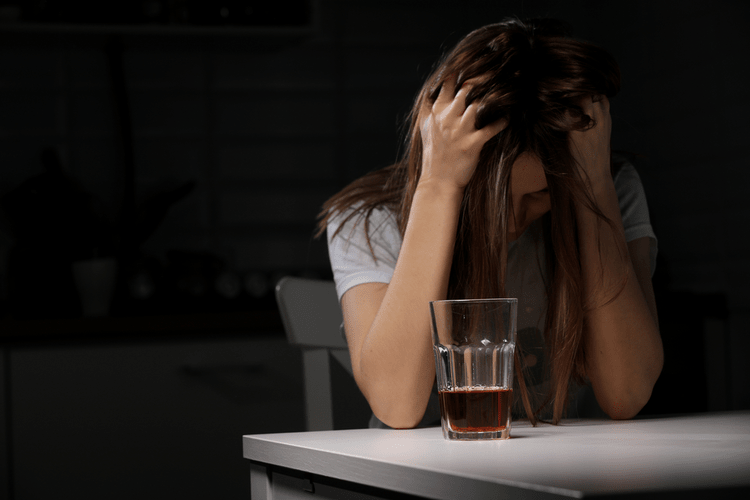
These cravings can occur at any time and can be triggered by various factors, such as stress, social situations, or even certain foods. It can feel physical (tight chest, racing thoughts), emotional (restlessness, anxiety), or mental (romanticizing alcohol, obsessive thinking). Making healthy lifestyle choices can significantly impact your ability to curb alcohol cravings.
- Your brain learns that behavior, and begins to crave alcohol whenever you are feeling depressed or anxious.
- These are several dos and don’ts when you’re dealing with a loved one with alcohol cravings.
- Ria Health offers several FDA-approved medications for alcohol use disorder.
- Every time you move through a craving without giving in, you’re building new pathways in your brain and reinforcing healthier behaviors.
- If it helps, make a list of things that trigger you to drink.
Opioid Detox at Home: How to Manage Withdrawal Symptoms Safely
- You might decide to meet friends at a quieter venue or practice relaxation techniques before heading to a social event.
- These skills and techniques come from cognitive behavioral therapy (CBT) and dialectical behavior therapy (DBT).
- They can be so powerful that they dominate your thoughts, making it difficult to focus on anything else.
They often occur during the early stages of recovery and can potentially last for years. The cravings may be so mild that you don’t even recognize them as cravings. It’s also important to note that your brain never entirely forgets its positive associations with alcohol, especially when confronted with stress and negative feelings. For that reason, it’s important to keep your tools fresh in your mind, and continue to engage in your sobriety or moderation toolkit as long as it’s serving you. You are more powerful than your cravings, and have all the https://thaisoundmd.com/sneezing-when-you-drink-wine-5-common-culprits-and-9/ tools at your disposal.
Practice Mindfulness
This is key to keeping cravings under control, especially when your body is used to using alcohol as a quick form of fuel. Naltrexone is a medication that belongs to a group of drugs known as opioid antagonists. It binds to and blocks opioid receptors in the brain, which reduces the buzz and intoxicated feeling you get from drinking alcohol. It’s important to note that you may or may not be aware of these external triggers as reasons for your alcohol cravings.
How Long Is Inpatient Rehab for Drugs
Some call it “The Inner drug addiction treatment Brat,” “The Alcohol Salesman,” “The Lobbyist,” “The Terrorist,” “The Whiner,” or just “The Enemy.” Pick a name that fits your experience with it. Alcohol cravings can be difficult to manage alone, and there’s no shame in needing a little extra support. In other words, what works for a friend won’t always work for you. That’s why building your own recovery toolkit can make a difference in your ability to weather the most intense cravings.


